What Are Carpenter Bees and Why Are They a Problem?
Carpenter bees are often mistaken for bumblebees due to their similar size and appearance, but their behavior is quite different—and much more destructive. Unlike bumblebees that nest in the ground, carpenter bees tunnel into wood to create nesting galleries. Over time, these tunnels expand as multiple generations reuse and enlarge them, causing significant structural damage. In Colts Neck Township, where many homes feature wooden decks, trim, and outdoor structures, carpenter bees can become a recurring issue if not properly treated.
The damage caused by carpenter bees is not always immediately visible. While the entry holes may seem small, the internal tunneling can extend several inches or more, weakening the wood from within. Additionally, woodpeckers are often attracted to these areas, further increasing damage as they attempt to feed on the larvae. This combination of insect and secondary damage can lead to costly repairs if ignored.
Another concern is that carpenter bees can become territorial. While they are generally not aggressive, males often hover near nesting areas and may intimidate residents or guests. Over time, an untreated infestation can grow, leading to more visible activity and increased risk of damage. Professional extermination ensures that both the active bees and their nesting sites are properly addressed, preventing further issues.
Signs You Need a Carpenter Bee Exterminator
Recognizing the early signs of a carpenter bee infestation is key to preventing extensive damage. One of the most common indicators is the presence of perfectly round holes in wooden surfaces, typically about the size of a dime. These holes are often found in decks, fascia boards, eaves, railings, and outdoor furniture. You may also notice sawdust-like material, known as frass, accumulating below these entry points.
Another clear sign is increased bee activity around your property. Carpenter bees are often seen hovering near wooden structures, especially during the spring and early summer months when they are most active. If you notice multiple bees repeatedly returning to the same area, it is likely that a nesting site has been established nearby.
In some cases, you may hear faint buzzing or chewing sounds coming from within wooden structures. This indicates active tunneling, which can worsen over time if not addressed. Additionally, woodpecker damage—such as peck marks or holes—can signal the presence of carpenter bee larvae inside the wood.
If you observe any of these signs, it is important to act quickly. Professional exterminators not only eliminate the current infestation but also identify potential risk areas to prevent future problems. Early intervention can save homeowners significant time and money while preserving the integrity of their property.
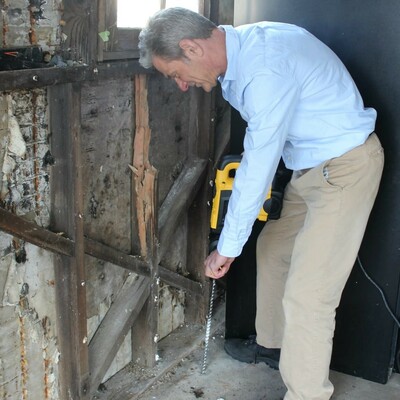
Home Protection Plan (H.P.P.)
The Home Protection Plan includes an inspection along with your quarterly service. Our pest control technicians take the time to inspect the exterior and interior of your home prior to treatment. We will also leave behind notes for you on anything we notice that’s different than our prior visit.

Protection Plan Plus
As a Home Protection Plan, you will receive a custom monitoring and control program to prevent pest infestations, plus state-of-the-art pest prevention and control by a licensed pest control technician with a focus on eco-friendly treatment options/solutions throughout the year.

Mosquito & Tick Program
When you choose Surf Termite & Pest Control for tick, mosquito, and home perimeter pest control treatments, you can rest assured that our staff knows the best time to treat. In peak mosquito and tick seasons, we recommend treatments every 30-45 days. High humidity and rainfall can also shorten treatment intervals.

Other Services
Surf Termite & Pest Control offers a comprehensive list of pest management services, including: Residential pest control, Commercial pest control, Termite treatment and prevention, Wood-destroying insect inspections, Documentation for real estate transactions, Pre-construction treatments, Wood repair, Home inspections, Radon testing, Structural pest exclusion services, Humane wildlife removal, Rodent control, Tick and mosquito services, Integrated Pest Management plans
Our Professional Carpenter Bee Treatment Process
At Surf Termite & Pest Control, our carpenter bee extermination process is designed to be thorough, effective, and environmentally responsible. We begin with a comprehensive inspection of your property to identify active nesting sites, entry points, and areas at risk. This step allows us to create a targeted treatment plan tailored to your specific needs.
Once the inspection is complete, our technicians apply specialized treatments directly into the nesting galleries. This ensures that both adult bees and larvae are eliminated at the source. After treatment, we seal the entry holes to prevent re-infestation and protect the wood from future damage. This step is crucial, as leaving holes untreated can attract new bees to the same location.
In addition to direct treatment, we also provide preventative solutions to protect your home long-term. This may include applying protective coatings, recommending structural modifications, or integrating your service into a broader pest management plan. Our approach aligns with Integrated Pest Management (IPM) techniques, which focus on minimizing chemical use while maximizing effectiveness and safety.
Our goal is not just to eliminate the current problem but to ensure your property remains protected throughout the year. With our expertise and attention to detail, you can trust that your home is in capable hands.
Long-Term Protection with Home Protection Plan Plus
For homeowners looking for ongoing protection, our Home Protection Plan Plus offers comprehensive coverage against a wide range of pests, including carpenter bees. This program includes regular inspections and treatments throughout the year, ensuring that potential issues are identified and addressed before they become major problems.
The plan is designed to adapt to seasonal pest activity, providing targeted treatments based on the time of year and local conditions. This proactive approach is especially important for carpenter bees, which tend to return to the same nesting sites annually. By maintaining consistent protection, you can prevent recurring infestations and reduce the risk of structural damage.
In addition to carpenter bees, the Home Protection Plan Plus covers other wood-damaging pests such as carpenter ants, as well as common household pests like spiders, ants, and rodents. This makes it a cost-effective solution for homeowners who want comprehensive protection without the hassle of scheduling separate services.
Another key benefit of the plan is access to emergency service calls during normal business hours. If you encounter an unexpected pest issue, our team is ready to respond quickly and effectively. This level of support ensures that your home remains safe and pest-free year-round.