Understanding Carpenter Bee Behavior in Ship Bottom
Carpenter bees are particularly active in coastal communities like Ship Bottom due to the abundance of wooden structures and favorable weather conditions. Unlike termites, carpenter bees do not consume wood; instead, they excavate tunnels to lay their eggs. These tunnels can expand year after year as new generations reuse and extend existing galleries. This ongoing activity leads to progressive damage that often goes unnoticed until it becomes severe. Male carpenter bees are commonly seen hovering aggressively near nesting sites, but they are harmless and cannot sting. Female carpenter bees, however, are capable of stinging, though they are generally not aggressive unless provoked. Understanding their behavior is crucial for effective control. Professional exterminators use this knowledge to locate hidden nests and apply treatments directly where they are most effective. By addressing both active bees and their nesting sites, long-term prevention becomes achievable. Proper sealing and treatment of wood surfaces also play a vital role in discouraging reinfestation.
Signs You Need Carpenter Bee Extermination Services
Recognizing the early signs of a carpenter bee infestation can save you from costly structural repairs. One of the most obvious indicators is the presence of perfectly round entry holes in wood, often about the size of a dime. These holes are typically found on decks, railings, eaves, fascia boards, and outdoor furniture. Another common sign is the accumulation of coarse sawdust, known as frass, beneath these holes. You may also notice yellowish staining caused by bee droppings near entry points. Increased bee activity around wooden structures, especially during spring and early summer, is another clear warning sign. Over time, woodpeckers may be attracted to the area, causing additional damage as they attempt to feed on bee larvae. If left untreated, these issues can escalate quickly. Professional extermination services not only eliminate the bees but also address the damage and prevent future infestations. Timely intervention ensures your property remains safe, functional, and visually appealing.
Home Protection Plan (H.P.P.)
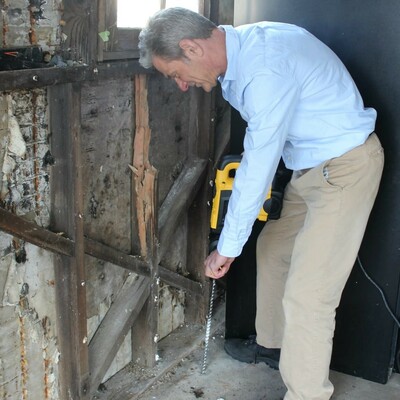
The Home Protection Plan includes an inspection along with your quarterly service. Our pest control technicians take the time to inspect the exterior and interior of your home prior to treatment. We will also leave behind notes for you on anything we notice that’s different than our prior visit.

Protection Plan Plus
As a Home Protection Plan, you will receive a custom monitoring and control program to prevent pest infestations, plus state-of-the-art pest prevention and control by a licensed pest control technician with a focus on eco-friendly treatment options/solutions throughout the year.

Mosquito & Tick Program
When you choose Surf Termite & Pest Control for tick, mosquito, and home perimeter pest control treatments, you can rest assured that our staff knows the best time to treat. In peak mosquito and tick seasons, we recommend treatments every 30-45 days. High humidity and rainfall can also shorten treatment intervals.

Other Services
Surf Termite & Pest Control offers a comprehensive list of pest management services, including: Residential pest control, Commercial pest control, Termite treatment and prevention, Wood-destroying insect inspections, Documentation for real estate transactions, Pre-construction treatments, Wood repair, Home inspections, Radon testing, Structural pest exclusion services, Humane wildlife removal, Rodent control, Tick and mosquito services, Integrated Pest Management plans
Professional Carpenter Bee Treatment Methods
Effective carpenter bee control requires more than just surface-level solutions. Professional exterminators utilize specialized treatments designed to target both adult bees and their larvae within wooden structures. This often includes the application of residual insecticides directly into nesting tunnels, ensuring deep penetration and long-lasting protection. Once the infestation is eliminated, entry holes are sealed to prevent reuse by future generations. In addition to direct treatments, preventative measures such as wood sealing, painting, or staining are recommended to deter new infestations. At Surf Termite & Pest Control, our technicians follow a comprehensive approach that combines inspection, treatment, and prevention. We tailor each plan based on the severity of the infestation and the specific needs of your property. Our methods are designed to be both effective and environmentally responsible, ensuring the safety of your family, pets, and surrounding ecosystem. This integrated strategy delivers lasting results and peace of mind.
Long-Term Prevention and Home Protection Plans
Preventing carpenter bee infestations requires ongoing maintenance and proactive strategies. One of the most effective ways to protect your home is through routine inspections and scheduled pest control services. Surf Termite & Pest Control offers comprehensive protection plans that include regular visits, thorough inspections, and preventative treatments tailored to seasonal pest activity. These plans cover a wide range of pests and provide year-round protection for your property. By identifying potential problem areas early, our technicians can address issues before they become major infestations. Preventative measures such as sealing exposed wood, repairing damaged areas, and maintaining painted or treated surfaces also play a crucial role. Homeowners can further reduce risk by minimizing untreated wood exposure and ensuring proper ventilation in attics and crawl spaces. With a consistent prevention strategy in place, you can significantly reduce the likelihood of carpenter bee infestations and maintain the integrity of your home.